What to Look for When Hiring a Roofing Contractor
Your roof is one of the most important parts of your home. It protects everything underneath it, from the structure itself to the people living inside. When it starts to show signs of wear, or after a major storm passes through, finding the right person to handle repairs or a full replacement becomes a priority. The decision can feel overwhelming, especially with so many options available. Understanding what a good roofing contractor does and how to evaluate one can save you time, money, and future headaches.
A roof does not last forever. Even the best materials eventually degrade under the sun, wind, and rain. Asphalt shingles, for example, offer reliable protection for many years but can crack or curl as they age. Metal roofing holds up well against heavy weather but may develop rust or loose fasteners over time. Flat roofs, common on commercial buildings and some modern homes, require different maintenance because water can pool on the surface. Knowing what your roof is made of helps you understand what kind of work it needs and what questions to ask a professional.
Start with a Thorough Inspection
Before any repair or replacement begins, a careful inspection is essential. A professional will look for missing or damaged shingles, signs of leaks around vents and chimneys, soft spots in the decking, and any areas where water might be getting in. They should also check the flashing, the metal pieces that seal joints and edges, because that is a common place for leaks to start. Skylights are another potential trouble spot; their seals can fail over time and let moisture into the house.
A good inspection is not just a quick walk around the house. It should include checking the attic or crawl space for signs of water damage, mold, or rot. If the roofer does not offer a detailed inspection before giving you an estimate, that is a red flag. You want someone who takes the time to understand the full condition of your roof, not just the obvious problems.
Understanding the Scope of Work
Once you have a clear picture of what is wrong, the next step is figuring out what needs to be done. Roof repair might involve replacing a few damaged shingles, resealing around a skylight, or fixing a small leak. Roof replacement is a much larger job that involves tearing off the old material, inspecting and repairing the underlying structure, and installing a new roof system. Storm damage restoration can be even more complex, especially if wind or falling trees have caused structural damage.

Each type of work requires different skills and equipment. A crew that handles simple repairs may not have the experience to manage a full replacement on a steep roof. Likewise, storm damage often requires urgent attention and the ability to work with insurance companies. When you talk to a potential contractor, ask about the specific kind of work they do most often. Their experience should match your needs.
Questions to Ask Before You Decide
Choosing a roofing contractor is not a decision to rush. You are trusting them with one of the most expensive and important parts of your property. Here are some things to discuss before signing anything:
- How long have they been in business? Experience in the local area matters because climate and building codes vary.
- Do they carry liability insurance and workers' compensation? This protects you if something goes wrong on the job.
- Will they provide a written estimate that breaks down materials, labor, and timeline? A vague quote is a warning sign.
- Do they handle permits and inspections? Many areas require permits for roof work, and the contractor should manage that process.
- What warranty do they offer on both materials and workmanship? A solid warranty shows confidence in the work.
These questions are not meant to be a checklist you rush through. They are starting points for real conversations. Pay attention to how the contractor responds. Are they patient and thorough? Do they explain things clearly? Or do they brush off your concerns and push for a quick decision? The way they communicate before the job starts often reflects how they will handle problems that come up during the work.
Red Flags to Watch For
Not every contractor operates with the same standards. Some warning signs should make you pause. A contractor who asks for full payment upfront is a serious concern. Reputable professionals usually ask for a deposit, with the balance due upon completion. Another red flag is a lack of a physical business address or a local phone number. Someone who works out of a personal vehicle and cannot provide references may not be around if issues arise later.
Be cautious about extremely low bids. If one estimate is much lower than the others, the contractor may be cutting corners on materials, skipping important steps, or using inexperienced labor. Roof work is not an area where you want to save money by sacrificing quality. On the other hand, the highest bid is not always the best either. Look for someone whose estimate makes sense for the scope of work and who can explain the costs clearly.
Materials Matter
The materials used on your roof affect its lifespan, appearance, and performance. Asphalt shingles remain a popular choice because they are affordable and easy to install, but they come in different grades. Metal roofing lasts longer and handles high winds well, but it can be noisier during rain and may dent from hail. Flat roofs often use modified bitumen or single-ply membranes that require specialized installation techniques.
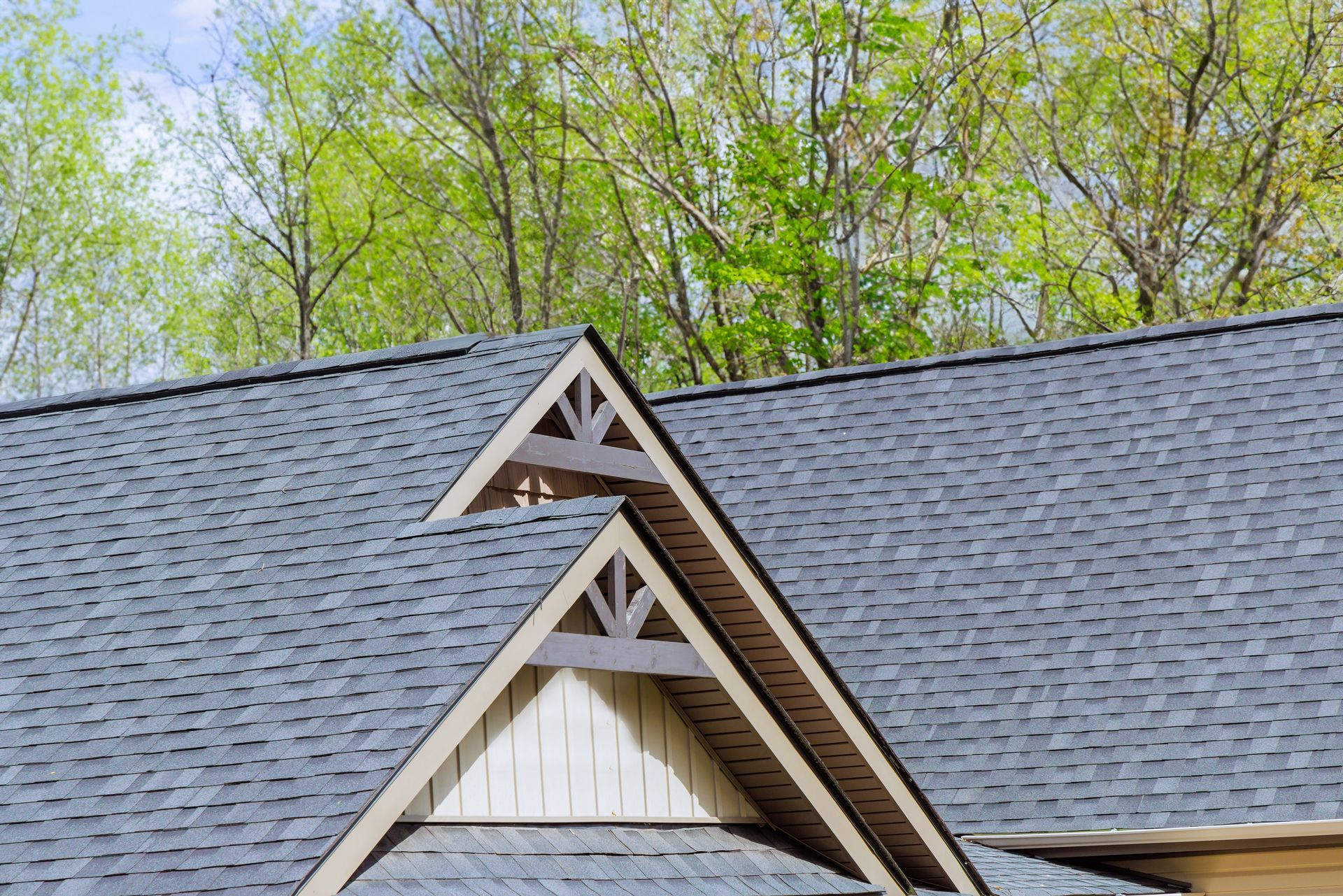
A good contractor will walk you through the options and explain the trade-offs. They should not push a particular material just because they have extra stock or a deal with a supplier. They should help you choose something that fits your budget, your home's style, and the local climate. If they dismiss your questions about materials or give vague answers, that is a reason to keep looking.
The Importance of Local Knowledge
Northern Florida has its own weather patterns, building practices, and code requirements. A roofing contractor who works regularly in the area understands these factors. They know which materials hold up best against heat and humidity. They know how to handle the wind loads that come with hurricanes and tropical storms. They also know the local permitting process and can guide you through it.
Working with someone local also makes it easier to check their reputation. You can ask neighbors or friends for recommendations. You can look at recent jobs in your area and see how the work holds up over time. A contractor with a strong local presence is more likely to stand behind their work because their reputation depends on it.
Preparing for the Job
Once you have chosen a contractor and agreed on the plan, there are a few things you can do to make the process go smoothly. Clear the area around your house. Move vehicles, patio furniture, and anything that could get damaged by debris. Protect plants and landscaping near the work zone. Talk to the crew about where they will set up ladders and dumpsters so you know what to expect.
Communication during the project matters too. Ask for a point of contact you can reach with questions. Find out what time the crew will arrive each day and how long the job is expected to take. If something unexpected comes up, like rotten wood under the old shingles, the contractor should let you know right away and explain the options.
After the Work Is Done
When the job is finished, do a walkthrough with the contractor. Look for any leftover debris, loose nails, or damaged gutters. Make sure the work area is clean and that the roof looks neat and evenly installed. Ask for a final invoice that matches the estimate. Keep all paperwork, including the contract, warranty information, and receipts, in a safe place.
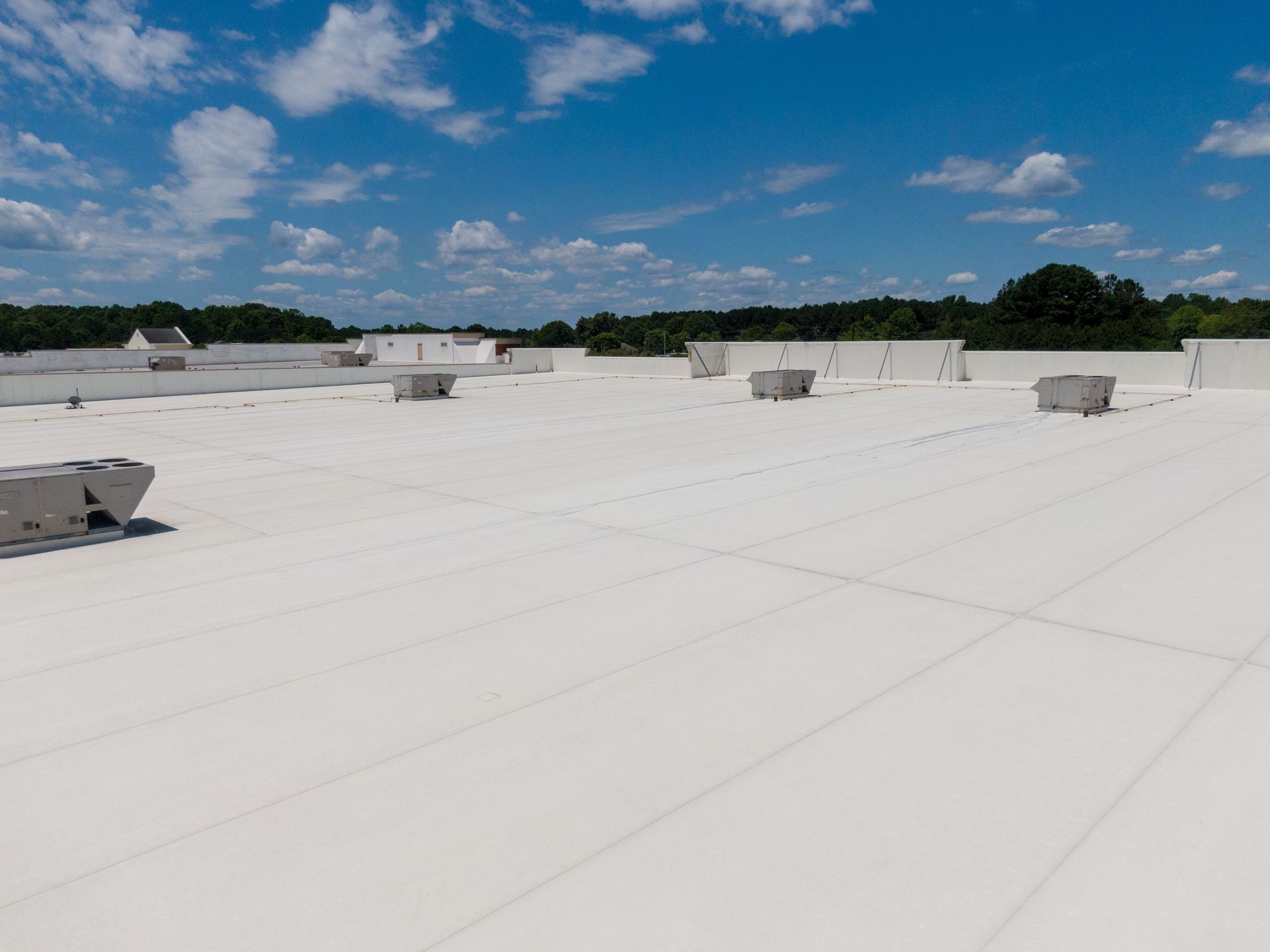
A good contractor will also explain how to care for your new roof. Simple things like keeping gutters clean and trimming overhanging branches can extend its life. They may also offer to do a free inspection after the first big storm. That kind of follow-up shows they care about the quality of their work, not just getting paid.
Finding the right person for the job takes time and careful thought. But the effort is worth it. A well-installed roof gives you peace of mind and protects your home for years to come. By knowing what to look for and what questions to ask, you can make a confident choice and avoid common pitfalls.